



Sometimes, the most meaningful moments of healing begin with something simple — a brushstroke, a melody, or the quiet satisfaction of creating something with our own hands.
Creativity: More Than Just a Hobby
In a world defined by deadlines, responsibilities and constant digital distractions, finding time for ourselves has become increasingly important.
While exercise, nutrition and sleep remain essential pillars of well-being, research suggests another valuable contributor to our mental and emotional health: creative expression.
Whether painting, pottery, photography, gardening or making music, creative activities offer opportunities to reconnect with ourselves, explore our emotions and experience the simple pleasure of making something.
In fact, a World Health Organization report, reviewing evidence from over 3,000 studies, identified the arts as playing an important role in promoting health and well-being throughout life.
1. Reducing Stress and Encouraging Relaxation
Creative activities provide a welcome opportunity to redirect our attention away from everyday worries.
The repetitive movements of knitting, the gentle shaping of clay or the delicate application of watercolours can encourage focused attention and relaxation.
A 2025 systematic review of crafts-based interventions reported short-term improvements in outcomes including stress, anxiety and mood, although researchers emphasised the need for more rigorous studies.
The benefit often lies not in producing something beautiful, but in enjoying the experience itself.
2. Supporting Emotional Well-Being
Sometimes, emotions are difficult to express through words.
Creative expression offers an alternative way to explore feelings, process experiences and develop greater self-awareness.
A 2024 study published in Frontiers in Public Health found that participation in arts and crafts was associated with greater happiness, life satisfaction and a stronger sense that life is worthwhile. Although these findings do not establish direct causation, they reinforce the potential value of creativity in everyday well-being.
3. Encouraging Mindfulness and Mental Clarity
When we immerse ourselves in a creative activity, our attention naturally shifts towards the present moment. We notice colours, textures, sounds and movements that might otherwise escape our awareness. This focused engagement can create moments of calm, offering a refreshing break from habitual multitasking and digital overstimulation.
4. Building Confidence and Personal Fulfilment
Completing a handmade object, learning a musical passage or experimenting with unfamiliar artistic techniques can provide a meaningful sense of accomplishment.
Creative exploration also encourages curiosity, patience and self-expression. Importantly, artistic ability is not a prerequisite. Creativity is an experience to enjoy, not a performance to perfect.
5. Strengthening Human Connections
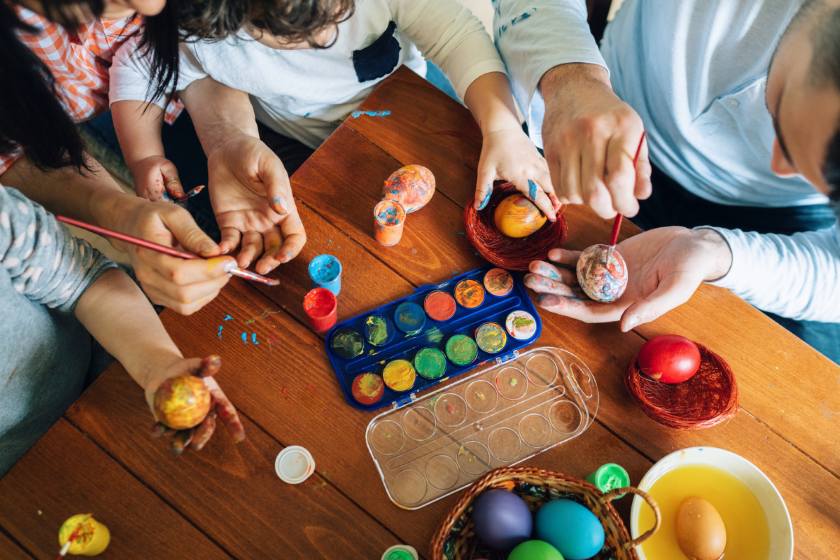
Creative activities can also bring people together. Participating in group painting sessions, pottery workshops or community music programmes creates opportunities for shared experiences and meaningful social interaction.
These connections can help foster belonging, particularly for individuals experiencing loneliness or social isolation.
Rediscovering the Joy of Creating
Well-being is not always about doing more. Sometimes, it begins with allowing ourselves the freedom to slow down. An afternoon spent painting, arranging flowers or discovering a traditional craft can become an opportunity to reconnect with life’s quieter pleasures.
Perhaps the greatest gift of creativity is not what we create, but how we feel while creating it.
And sometimes, that is precisely where healing begins.