





Author: Lin Junxian
Imagine running a marathon every single day — not through a park, but through a crowded shopping mall, with bright lights flickering overhead, announcements blaring, and strangers bumping into you at every turn. Now imagine doing that without anyone noticing how exhausted you are.
For many autistic adults in Singapore, this is not an analogy. It is daily life. Autistic burnout is more than just feeling tired. It happens when an autistic person has been pushing through the demands of everyday life for too long — managing sensory overload, meeting social expectations, and navigating routines that were not designed with them in mind — all without enough rest or support. Think of it like a phone that never gets to charge. Over time, no matter how capable the phone is, the battery runs out completely.
A note on research: Most existing studies on autistic burnout focus on autistic adults with low to moderate support needs. Those with moderate to severe needs remain significantly under-researched, and their experiences deserve far greater attention.
One Person’s Story: Meet Rachel, Graphic Designer
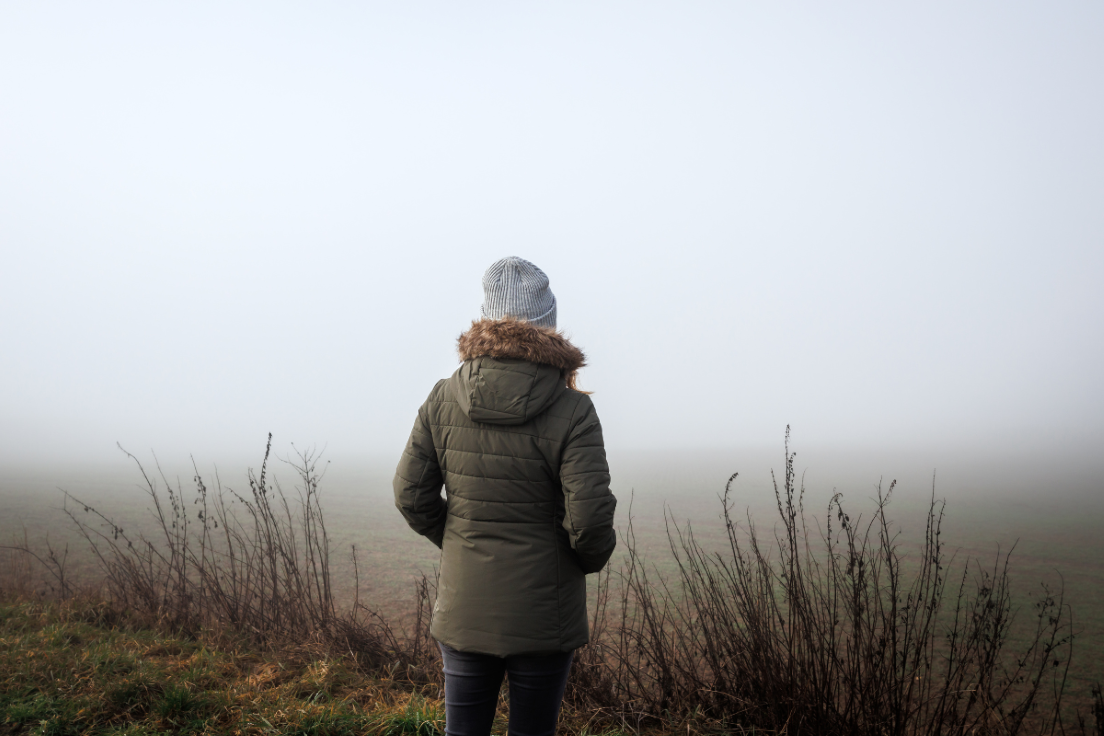
Rachel is a graphic designer and an autistic adult with low to moderate support needs. Over two years in a previous job, she experienced autistic burnout firsthand. In her blog, she describes feeling incapable of making the right decisions for herself, as though simply being herself was somehow wrong, and as though she had lost all control over her own life.
The burnout that followed was severe. For several years, she could not work at all. Her self-esteem reached its lowest point.
What helped her recover? Therapy, journaling, time away from the source of her stress, and crucially — connection with other autistic adults in Singapore who truly understood what she was going through.

Autistic Burnout: Signs to Watch For
Autistic burnout does not always look the way you might expect. Because many autistic adults have spent years learning to appear “fine” in public, the signs are often hidden — or misread as laziness, stubbornness, or a bad attitude.
Here are some practical signs to be aware of:
- Withdrawal from daily activities. An autistic adult who was previously managing their routine may suddenly struggle to leave the house, attend programmes, or engage with people they usually connect with.
- Loss of previously held skills. Skills that seemed well-established — cooking a simple meal, managing transport, communicating needs — may temporarily disappear. This is not regression. It is the nervous system protecting itself.
- Increased meltdowns or shutdowns. Emotional responses may become more intense or frequent, even in situations that previously felt manageable.
- Extreme exhaustion that rest does not fix. The person may sleep more than usual and still feel depleted. This is not a sleep problem — it is a sign the body and mind are overwhelmed.

What Can We Do to Help People Coping with Autistic Burnout?
Rachel’s story is a reminder that autistic burnout is real, serious, and often invisible to those around it. Recovery is possible — but it requires time, space, and genuine community.
If you live or work alongside autistic adults, the most powerful thing you can offer is patience without pressure, presence without demands, and a willingness to listen before you assume.
Understanding autistic burnout is not just an act of kindness. In Singapore, where the pace of life rarely slows, it may be one of the most important things we can learn to do.
References:
Rachel. Job Training in Singapore. Autistic as F**k. https://www.autisticasfxxk.com/blog/job-training-singapore/
Raymaker, D. M., Teo, A. R., Steckler, N. A., Lentz, B., Scharer, M., Delos Santos, A., Kapp, S. K., Hunter, M., Joyce, A., & Nicolaidis, C. (2020). “Having all of your internal resources exhausted beyond measure and being left with no clean-up crew”: Defining autistic burnout. Autism in Adulthood, 2(2), 132–143. https://doi.org/10.1089/aut.2019.0079
Mantzalas, J., Richdale, A. L., Li, X., & Dissanayake, C. (2024). Measuring and validating autistic burnout. Autism Research, 17(7), 1417–1449. https://doi.org/10.1002/aur.3129