




Author: Lin Junxian
On an airplane, when oxygen masks drop from the overhead panel, the instruction is always the same: secure your own mask before helping the person beside you. It feels wrong, especially if that person is your child. Every instinct tells you to reach for them first.
But the science is clear. At 35,000 feet, without pressurisation, you have roughly 115 to 20 seconds of useful consciousness before hypoxia — oxygen deprivation — sets in. It happens quietly. You may feel completely fine right up until you can no longer move. If you spend those seconds fumbling with your child’s mask, you lose consciousness before finishing. Now neither of you has oxygen.
Secure your own mask first — a matter of three to five seconds — and you remain conscious, calm, and able to help. It is one of the few situations where putting yourself first is, without question, the most loving thing you can do.
For caregivers of autistic adults with moderate to severe needs, the principle is not so different.
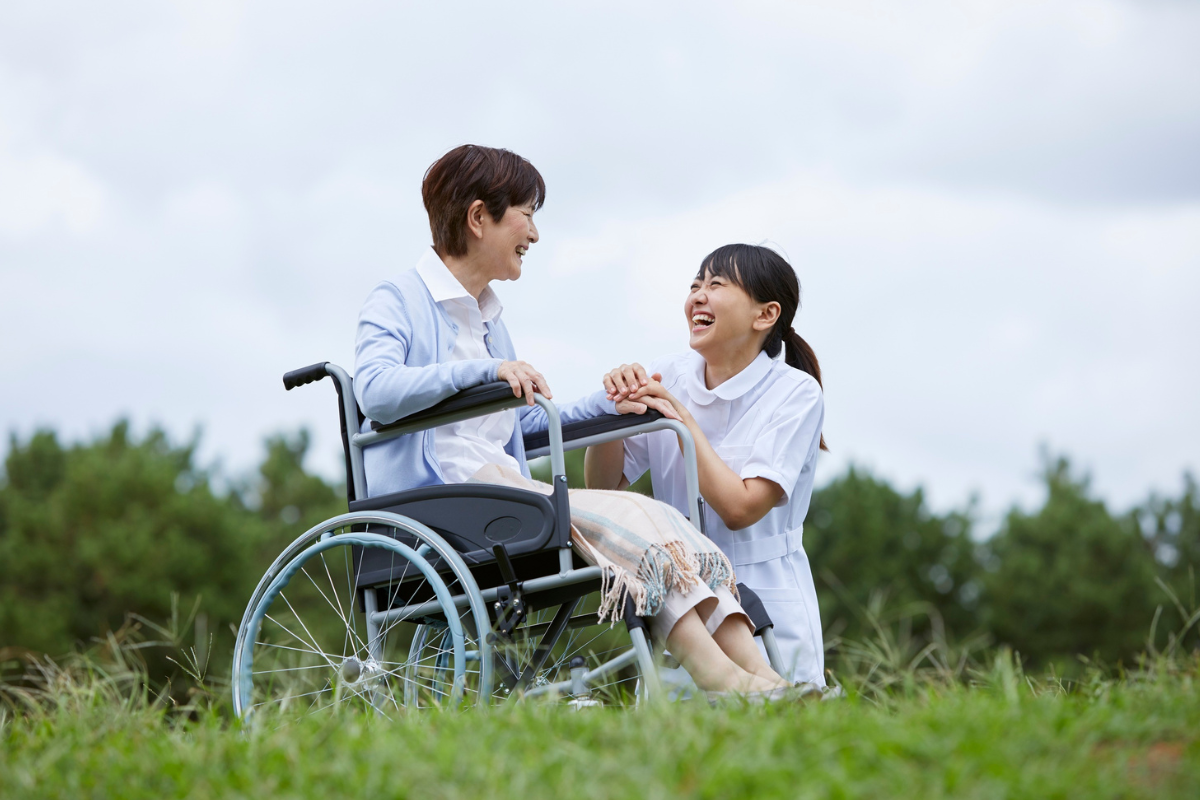
Over the years working alongside these families in Singapore, I have seen what caregiver fatigue looks like — and I have also seen what it looks like when caregivers give themselves permission to breathe. Here are two practices that have made a real difference.

Caring For Autistic Adults: Taking Turns, Intentionally
Caring does not have to fall on one person at all times. Some couples divide the day: one parent takes over from when their child returns from a day activity centre until dinner; the other takes the evening shift through to bedtime. Others arrange longer breaks — one mother I know travels overseas alone periodically, fully disconnecting from caregiving. For that window, the only person she needs to care for is herself.
Every family’s rhythm is different. What matters is that caregivers talk honestly with each other and agree on how rest is shared.
Building and leaning on a trusted support group
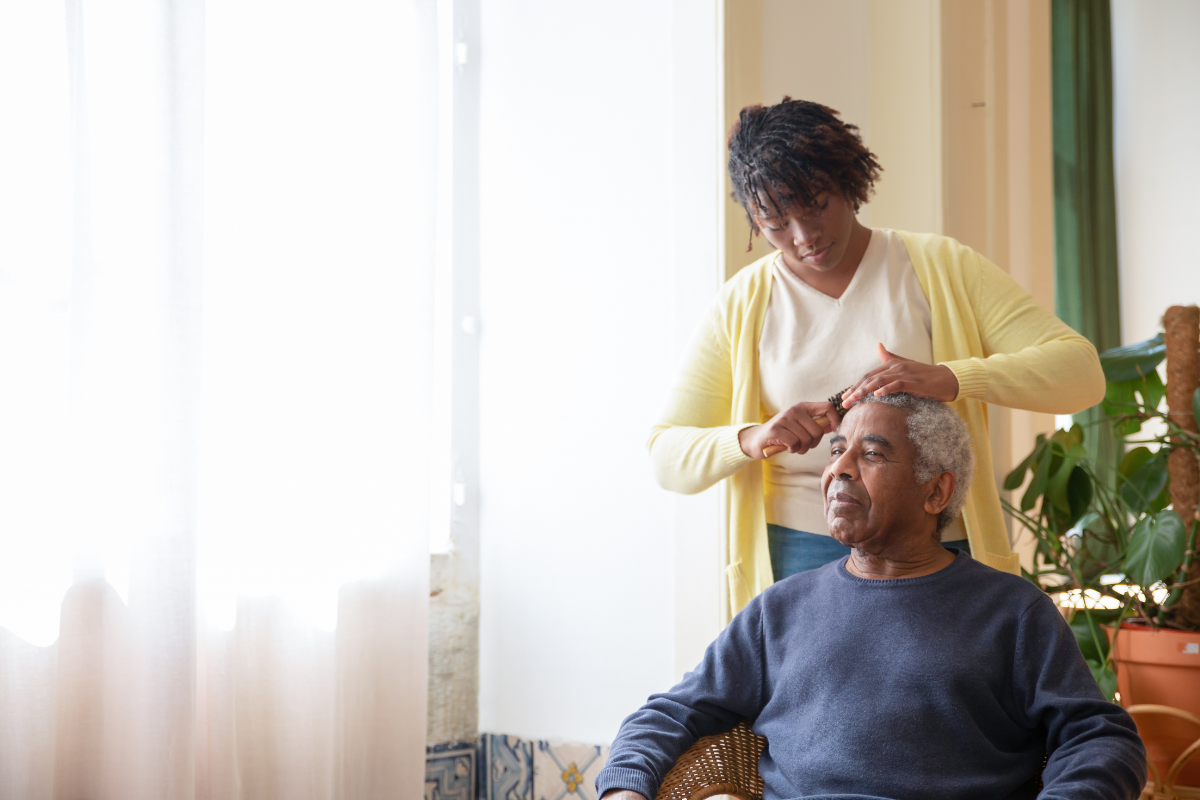
Caregivers of autistic adults often find themselves quietly isolated. Extended family may not fully understand the demands involved. Friends without similar lived experience can feel distant. Over time, the caregiver’s world narrows.
The antidote is finding people you trust — starting within family, then close friends, then joining existing caregiver support groups. If none of those fit, some caregivers have created their own.
Once you find that group: lean in. Two things often hold caregivers back — guilt about burdening others, and uncertainty about whether others can handle their child’s needs.
On guilt: the people who love you want to show up for you. Let them.
On trust: start small. Let your support group spend time with your child while you are still present. Each experience that goes well quietly builds your confidence to eventually step away and rest.
You cannot pour from an empty vessel. Caregivers who look after themselves are not being selfish — they are securing their own mask, so they can keep showing up for the people who need them most.
References:
1. Hypoxic Hypoxia and Brain Function in Military Aviation — PMC8171399 (https://pmc.ncbi.nlm.nih.gov/articles/PMC8171399/)
- Warreman, E. B., Lloyd, S. E., Nooteboom, L. A., Leenen, P. J. M., Terry, M. B., Hoek, H. W., van Rossum, E. F. C., Vermeiren, R. R. J. M., & Ester, W. A. (2023). Psychological, behavioural, and physical aspects of caregiver strain in autism-caregivers: A cohort study. eClinicalMedicine, 63, 102211. (https://doi.org/10.1016/j.eclinm.2023.102211)
- Chakurian, D., & Popejoy, L. (2025). A systematic review of resilience in family caregivers of autistic adults: Implications for research, practice, and policy. Autism in Adulthood. (https://doi.org/10.1177/25739581251366361)