




Looking Beyond Challenges: Discovering Strengths in Autistic Adults
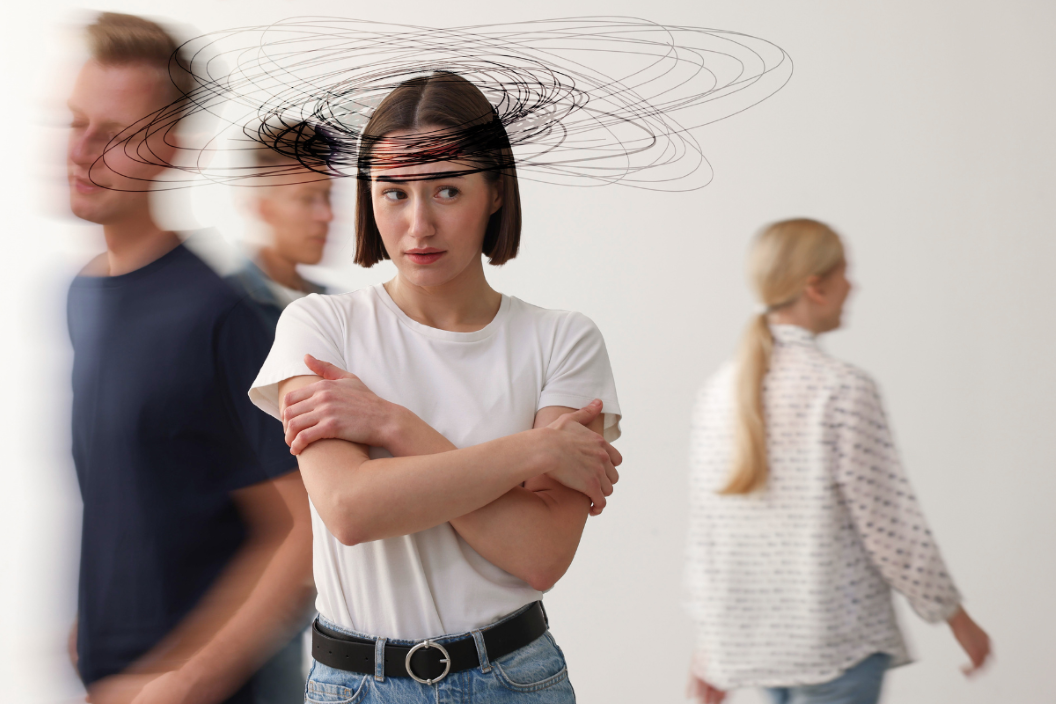
Autistic individuals tend towards a refreshing, almost radical honesty. What you see is what you get. There is rarely a hidden motive behind their words or actions — and once you understand that, it is deeply reassuring.
Autistic Burnout: What It Looks Like in Adults and How to Help

Imagine running a marathon every single day — not through a park, but through a crowded shopping mall, with bright lights flickering overhead, announcements blaring, and strangers bumping into you at every turn. Now imagine doing that without anyone noticing how exhausted you are.
For many autistic adults in Singapore, this is not an analogy. It is daily life. Autistic burnout is more than just feeling tired. It happens when an autistic person has been pushing through the demands of everyday life for too long — managing sensory overload, meeting social expectations, and navigating routines that were not designed with them in mind — all without enough rest or support. Think of it like a phone that never gets to charge. Over time, no matter how capable the phone is, the battery runs out completely.
You Matter Too: Reducing Stress While Caring for Autistic Adults
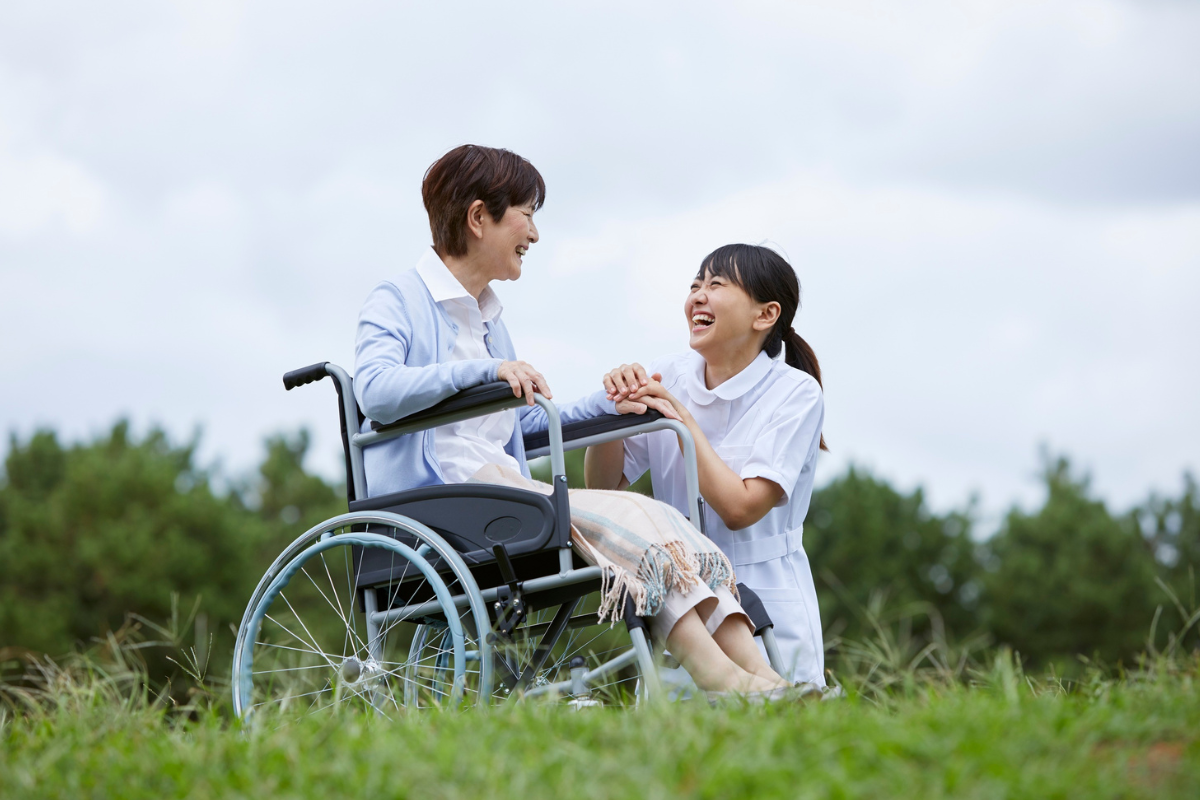
Caregivers of autistic adults often find themselves quietly isolated. Extended family may not fully understand the demands involved. Friends without similar lived experience can feel distant. Over time, the caregiver’s world narrows.The antidote is finding people you trust — starting within family, then close friends, then joining existing caregiver support groups. If none of those fit, some caregivers have created their own.
Longevity Trends: Living Longer, Healthier, and Better

Spurred by Dan Buettner’s work and concept of “Blue Zones” regions where people routinely live to 100 and beyond, longevity has been in the wellness spotlight. Longevity is no longer just about living longer. Today, the focus is shifting toward healthspan—the number of years we live in good health.
Rediscovering Wellbeing Through Wellness Travel in Thailand
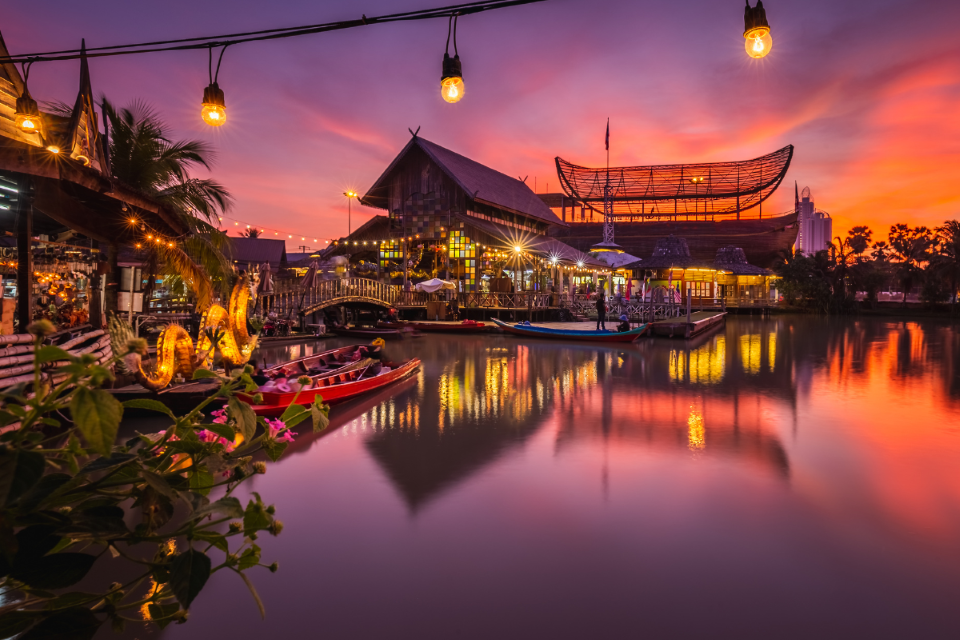
Modern travel is changing. More travellers today are moving beyond fast-paced itineraries and crowded tourist attractions in search of something more meaningful — experiences that restore energy, improve wellbeing, and create space for genuine reconnection.
Philippines: Wellness Tourism Fuels Economic & Cultural Revival
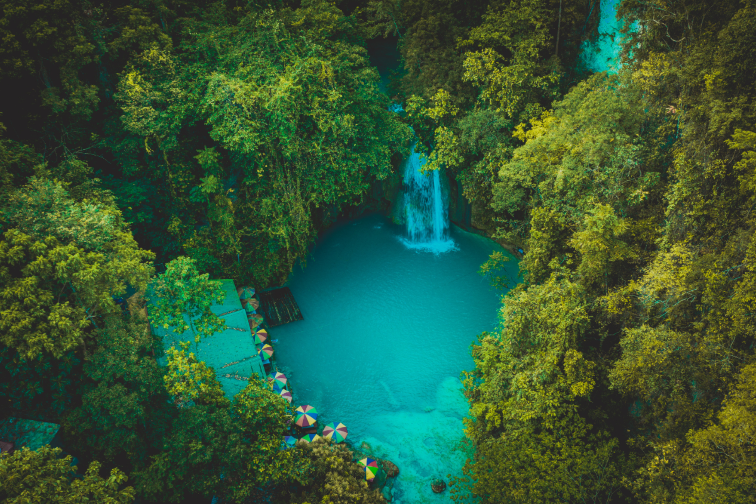
The Philippines is fast gaining global standing as a wellness tourism destination, using traditional healing practices and modern spa science to attract health-focused travellers, while the wellness industry bolsters economic resilience.
Why Sleep is Important for your Well-being
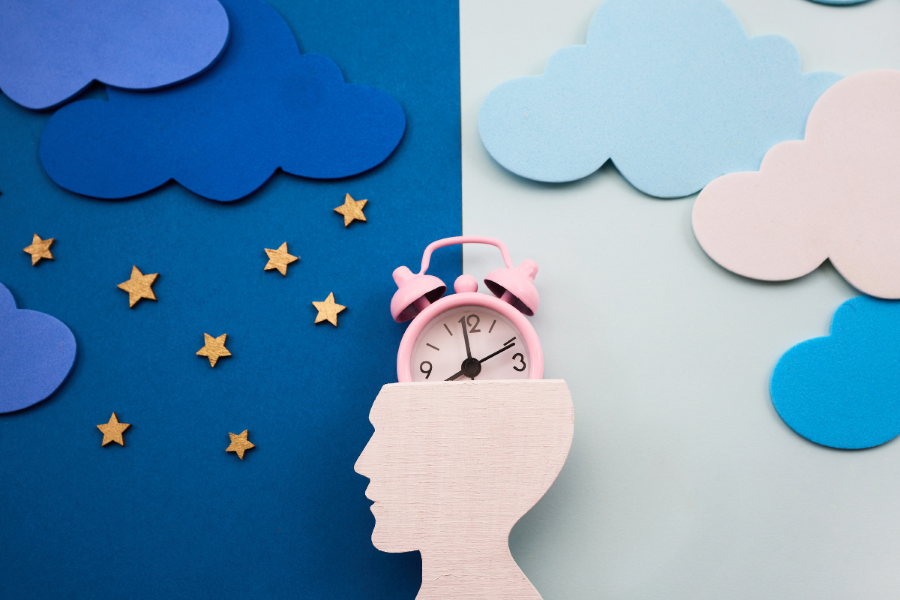
Did you know that more than 30% of adults worldwide have reported experiencing insomnia symptoms? To many of us, sleep is often the first thing we sacrifice in a busy, modern lifestyle. Think about it – there are so many entertainment options, and too little free time to pursue them all. Whether it’s staying up late to finish work or scrolling through social media to unwind, many people treat having sufficient sleep as optional. In reality, sleep is a fundamental biological function—just as essential as good nutrition and sufficient exercise—and plays a critical role in maintaining our overall well-being.
Stress vs Burnout: How to Tell the Difference
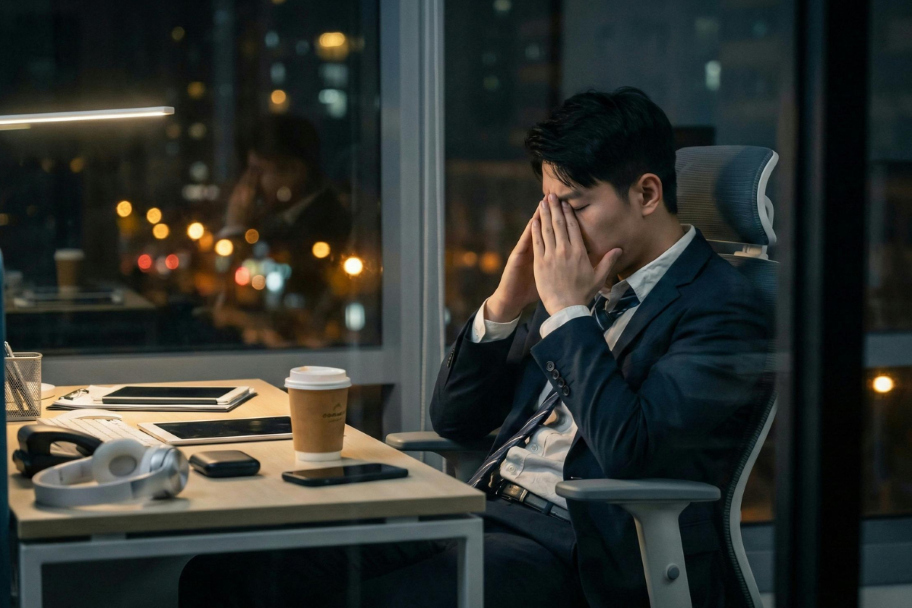
“I’m so stressed out.” – Does this sound familiar? If so, then you are not alone. This phrase has somehow become a default response to pressure, whether at work, school or home. But what many people describe as stress may actually be something deeper—burnout. While the two are closely related, understanding their differences is crucial for protecting your mental and physical well-being. In this article, we will dive into the basic definitions of stress and burnout, the differences and why knowing the difference matters for our health.
Reduce Stress and Burnout with Nature Therapy
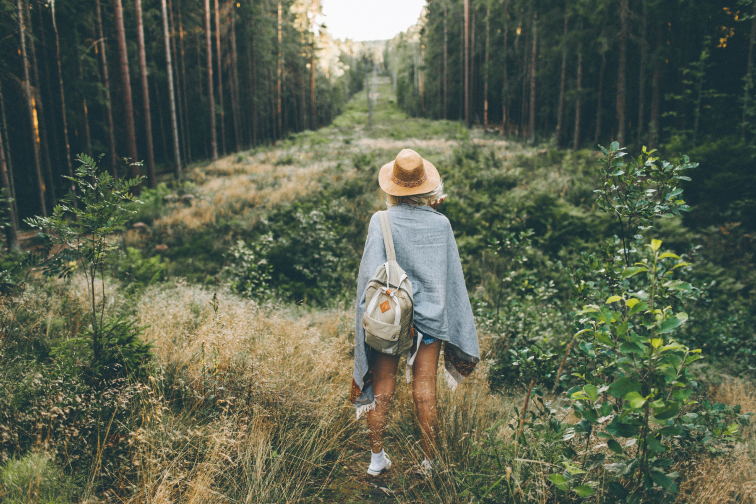
Stress has become a normal part of our daily life in work, home, and social life. Reaction to stress differs from one person to another. Most people don’t look for solutions. They think coping with stress is welfare and their excuses are: “We have a busy life”. Even with busy lives, it doesn’t mean we should forget to take care of ourselves.
Nature therapy provides a simple easy way to reduce stress and burnout. It reminds you that you live in a big world that is full of natural and outdoors beauty. No matter how large your problem seems, nature can welcome and ease it.
How to Reduce Smartphone Addiction?
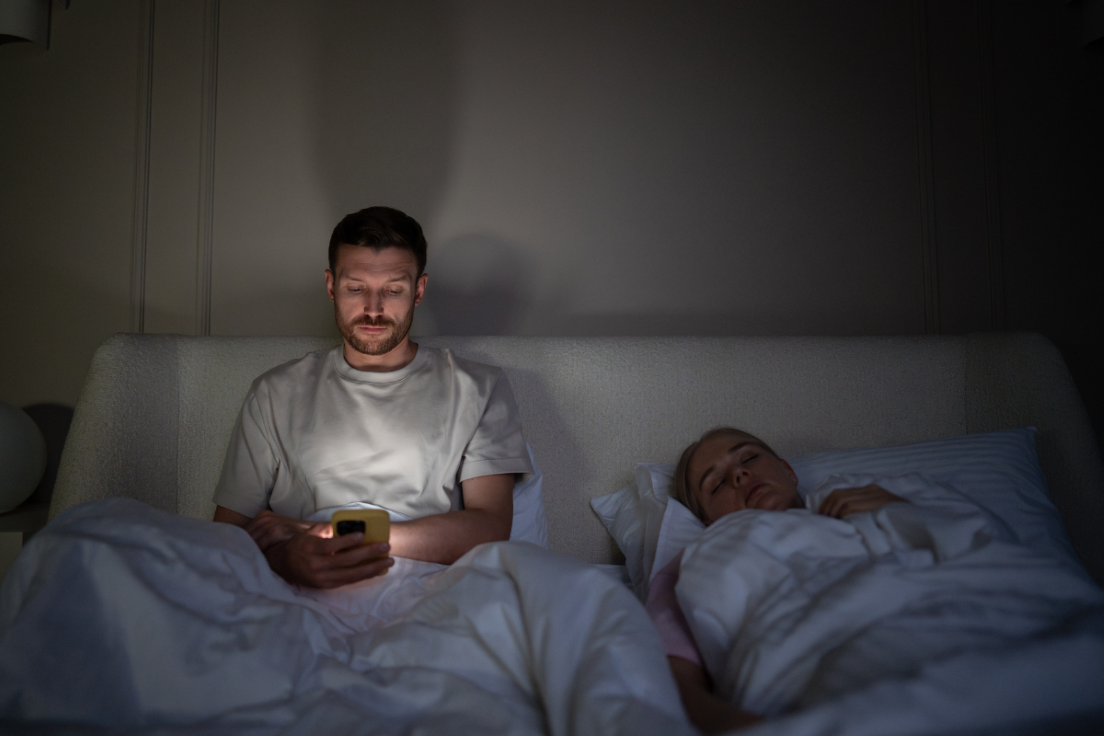
Smartphone addiction, informally known as “nomophobia” has become an emerging problem in many countries. Up to 21.3% of families in China worry about smartphone addiction in children, with planned implementation of restricted handphone access to reduce handphone addiction. Why are smartphones becoming popular and irreplaceable to some people, and what are effective ways to reduce this addiction?